
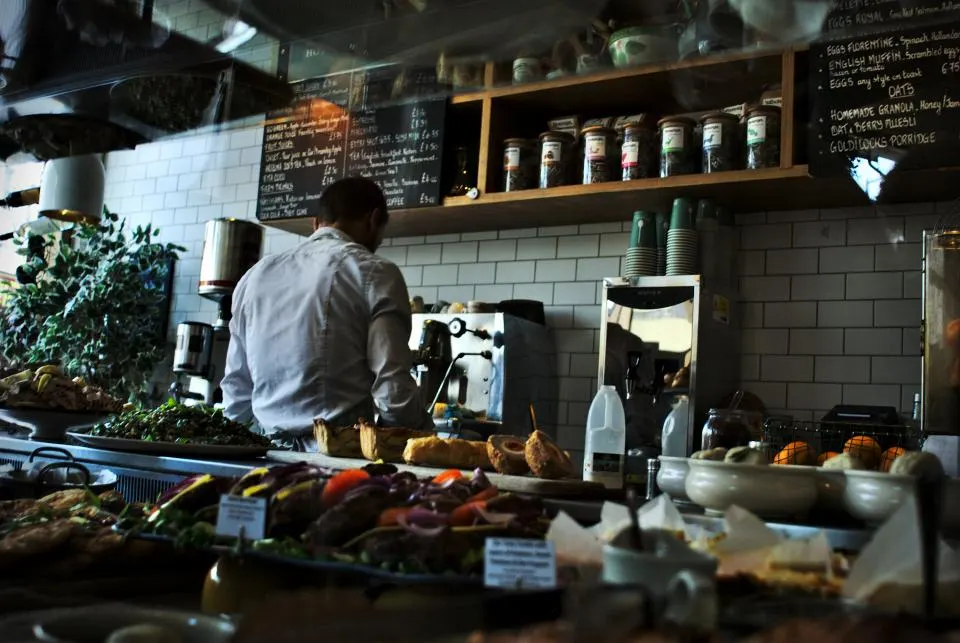
A restaurant uses more hot water in a night than most homes use in a week. Heaters here work harder, scale up faster, and fail harder when they go.
What we service
Commercial tank heaters
High-input gas and electric storage heaters: burners, controls, anodes, relief valves.
Tankless systems
Single and racked tankless units: descaling, venting, flow and ignition problems.
Booster heaters
Dish machine boosters that bring rinse water up to sanitizing temperature.
Recirculation
Recirc pumps and lines so hand sinks get hot water fast.
Sizing a replacement
Replacing a failed heater with the same size isn't always right. If you added a dish machine, a second hand sink, or longer hours since it was installed, the old heater may have been undersized for years. We look at your actual hot water demand before recommending a replacement.
| Where | Typical requirement |
|---|---|
| Hand sinks | At least 100°F |
| 3-compartment sink, wash | At least 110°F |
| High-temp dish machine, final rinse | 180°F at the manifold for most machines |
| Low-temp dish machine | Chemical sanitizing, lower water temperature |
Flat-rate, approved first. We diagnose, tell you what failed and what it costs to fix, and start only after you approve the price. No surprise add-ons on the invoice.
Common questions
What does a booster heater do?
It raises incoming hot water to the temperature a high-temperature dish machine needs for its final sanitizing rinse, typically 180°F. If the booster fails, dishes aren't being sanitized.
How long do commercial water heaters last?
It varies with water quality and use, but restaurant heaters often wear out much faster than residential ones. Flushing scale on a schedule extends their life.
Tank or tankless for a restaurant?
It depends on your peak demand, gas supply and venting. Tankless can save space and handle long runs, but needs regular descaling. We'll give you both options with prices.
Call (757) 495-7782 or send a request. You approve the price before we start.