When the walk-in reads 44°F at 4 PM on a Friday, you need answers fast. Some causes you can fix on the spot. Others need a refrigeration tech. Here's how to tell the difference.
First, protect the product. Virginia's food regulations require cold-held food at 41°F or below. If the box is above that, note the time and start moving the most sensitive items (dairy, proteins, cut produce) to other cold storage.
Check these yourself
- Is the door closing all the way? A door propped by a case, a sagging hinge or a torn gasket lets warm air pour in. Close it and check the seal all the way around.
- Is the strip curtain in place? Missing or tied-back curtains make a big difference during busy prep.
- Are the evaporator fans running? Look at the unit on the ceiling inside the box. If the fans are stopped, cold air isn't moving.
- Is the evaporator coil iced over? A solid block of ice means the coil can't move air. That usually points to a defrost or airflow problem.
- Is anything blocking the airflow? Boxes stacked against the evaporator or within a few inches of it choke the air.
- Is the thermostat set right? Someone may have bumped it. Most coolers run 35–38°F.
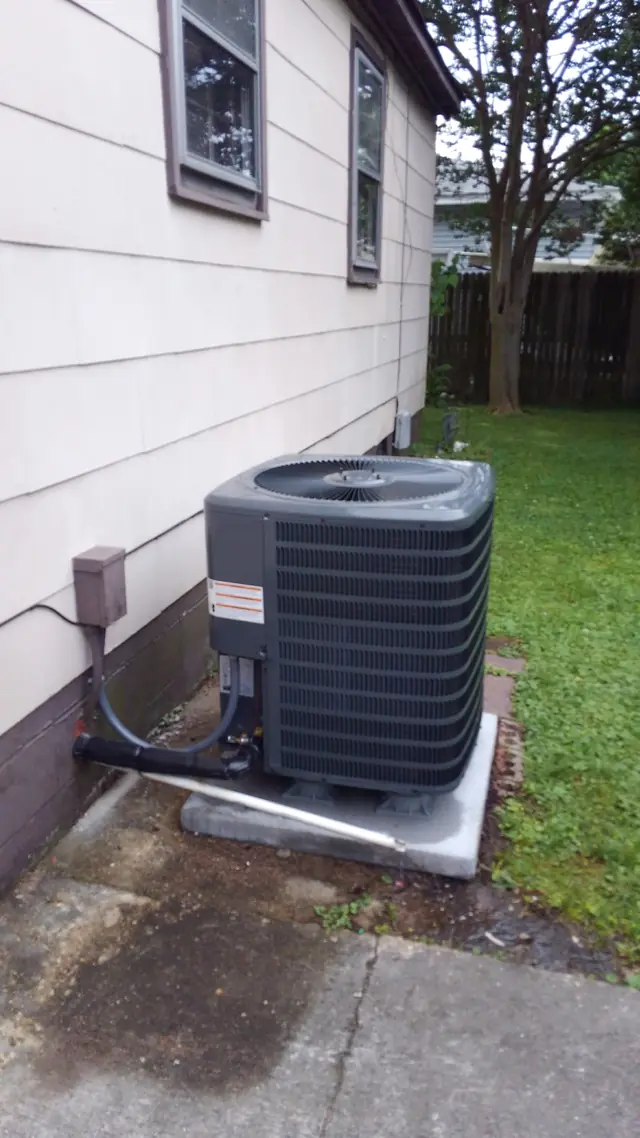
- Is the condensing unit running? Check outside or on the roof. If it's silent, check the breaker. If it's humming but the fan isn't turning, call us and don't keep resetting it.
- Is the condenser coil dirty? A coil caked with dust and grease can't shed heat, especially in summer.
Call a tech when you see
- A breaker that trips again after you reset it
- Condensing unit humming without starting
- Ice that returns after the coil is thawed
- Water leaking from the evaporator onto the floor
- Oily spots on refrigerant lines (a possible leak)
- Temperature still climbing with the door closed
Preventing the next one
Most of these failures are preventable with regular coil cleaning, gasket checks and a look at the defrost system. That's what our Kitchen Care Plan visits do, before summer puts the most load on your equipment.

Written by the Ace Mechanical team. We've been fixing heating, cooling, refrigeration and plumbing across Hampton Roads for more than 30 years. Questions about your own system? Call (757) 495-7782.